Photo by Tom Claes on Unsplash
Fans of comic-book tech and futuristic gear can now buy devices that echo classic superhero abilities: climbing, flying, cloaking, and enhanced prosthetics. This guide breaks down eight commercially available or pre-order products that bring those powers closer to reality, explains how each works, lists realistic costs, and highlights safety and legal issues to consider before buying.
What counts as a real-world superhero gadget?
Real-world superhero gadgets are consumer or professional products inspired by fictional abilities. They usually combine mechanical engineering, lightweight materials, electric propulsion, hydrodynamics, robotics, or advanced manufacturing such as 3D printing. These devices do not grant supernatural powers; they extend human capability within physical and legal limits.
How to use this guide
Each gadget below includes a short description, how it works, typical price range, who it’s best for, and important safety or legal considerations. Use the final checklist to compare options and confirm requirements before you buy.
1. Wearable web shooter (consumer prop that launches corded line)
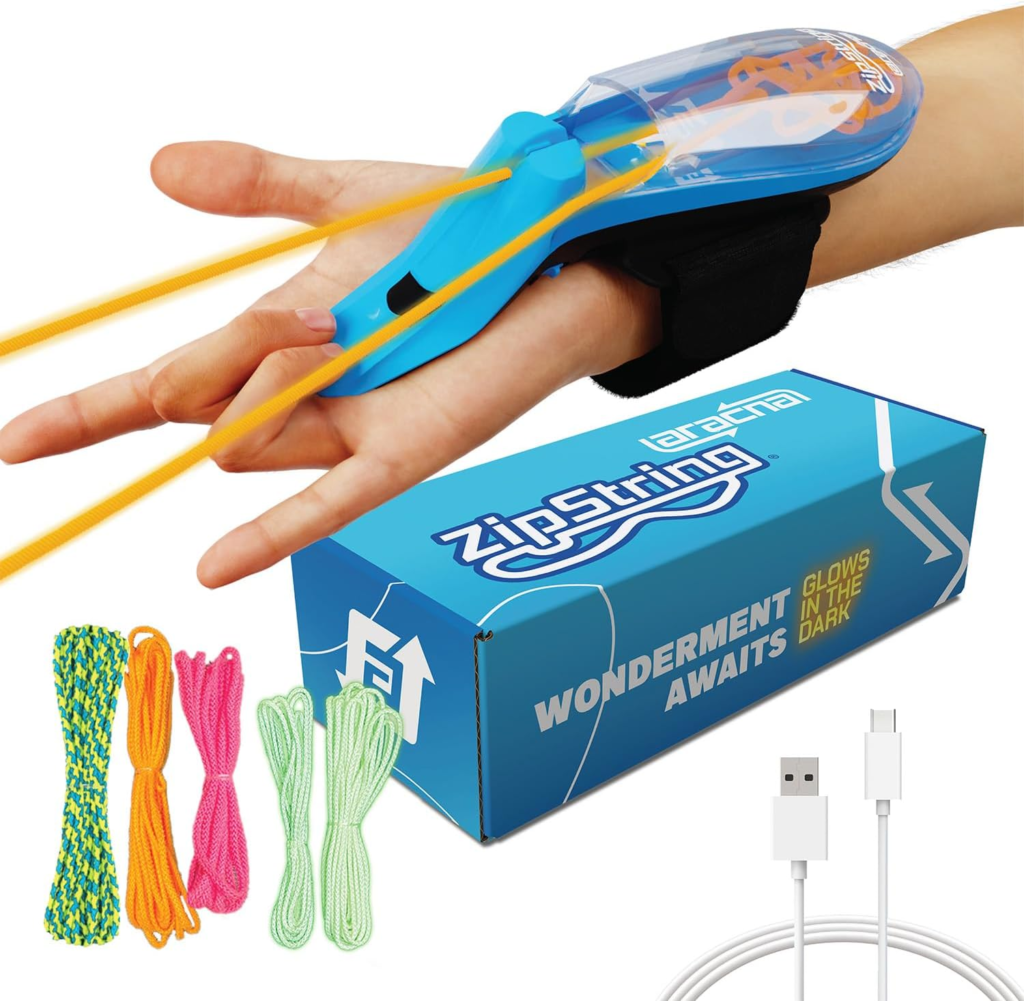
What it is: A wrist-mounted device that fires a lightweight cord or filament with magnetic attachments for novelty climbing, show, or cosplay use.
How it works: Most consumer models use a spool of nylon-like filament and a spring or compressed-air mechanism (some use magnets for sticking to metal surfaces). They are designed for stunts and props rather than human suspension.
Price: Roughly $100–$300 for DIY kits or ready-made models from specialty creators.
Best for: Cosplayers, performers, and hobbyists who want a realistic prop without professional-grade rigging.
Safety and limits: These devices are not rated for supporting human weight. Avoid using them to climb or to attach to non-engineered anchor points. Inspect filament and release mechanisms regularly.
2. Multi-arm prosthetic suits (inspired by robotic limbs)
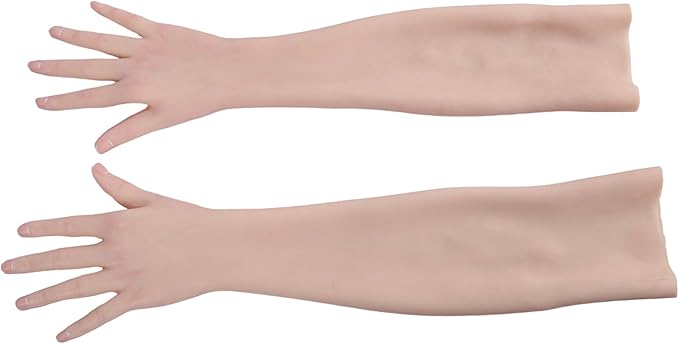
What it is: Custom prosthetic frameworks that add externally controlled robotic arms or appendages for therapeutic, assistive, or dramatic use.
How it works: Designs combine 3D-printed components, electric motors, and control inputs (manual, EMG sensors, or remote control). Some prototypes are built for specific users to assist with daily tasks or mobility challenges.
Price: Prototype and custom units vary widely: inexpensive hobby builds under $1,000, clinical-grade prosthetics and full robotic rigs in the tens of thousands or more.
Best for: Individuals with limb differences, rehabilitation programs, research labs, or institutions building adaptive technology demonstrators.
Safety and limits: Medical oversight is essential when using prosthetics. Ensure any device intended for daily function meets regional medical device regulations and has appropriate user training.
3. Cloaking and camouflage materials (quantum stealth and advanced camouflage)

What it is: Materials engineered to reduce detectability by bending, absorbing, or scattering light across visible and infrared ranges. Commercial versions focus on camouflage, not perfect invisibility.
How it works: Advanced fabrics and surface treatments manipulate light paths and wavelengths, sometimes through multilayer coatings or microstructured surfaces. They may reduce contrast against backgrounds, mask thermal signatures, or minimize glossy reflections.
Price: Pricing varies by application: industrial or military-grade materials are sold under contract; consumer camouflage fabrics and gear are affordable but offer limited effects.
Best for: Film and theater production, professional camouflage applications, or hobbyists seeking advanced material samples.
Safety and limits: There is no wearable material that provides complete invisibility in all conditions. Many technologies work only under certain lighting or from certain viewing angles.
4. Electrified wingsuit / chest-mounted electric propulsion
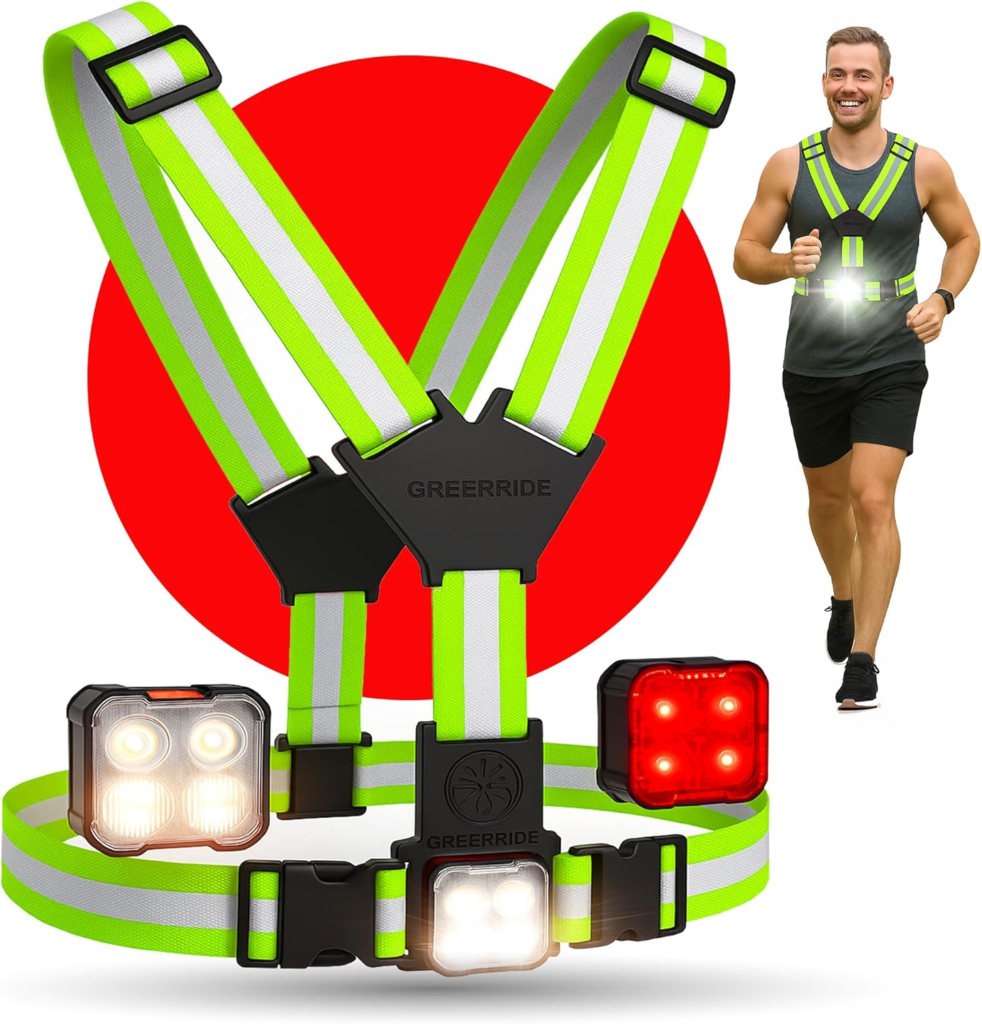
What it is: Compact electric propulsion units integrated into a wingsuit-like system or worn on the torso to augment freefall or enable short-duration, powered flight.
How it works: High-RPM impellers or ducted fans generate thrust. Power is supplied by onboard batteries or a tethered source. Typical systems provide seconds to a few minutes of sustained thrust.
Price: Concept and commercial preorders start in the low five figures; R&D prototypes cost significantly more.
Best for: Experienced skydivers and test pilots, not beginners. These systems require formal flight training due to altitude, control, and emergency considerations.
Safety and limits: Short operational durations, high speeds, and dependence on airspace rules make these hazardous without training and permits. Always follow aviation regulations and safety briefings.
5. Rideable giant robots (piloted mecha)
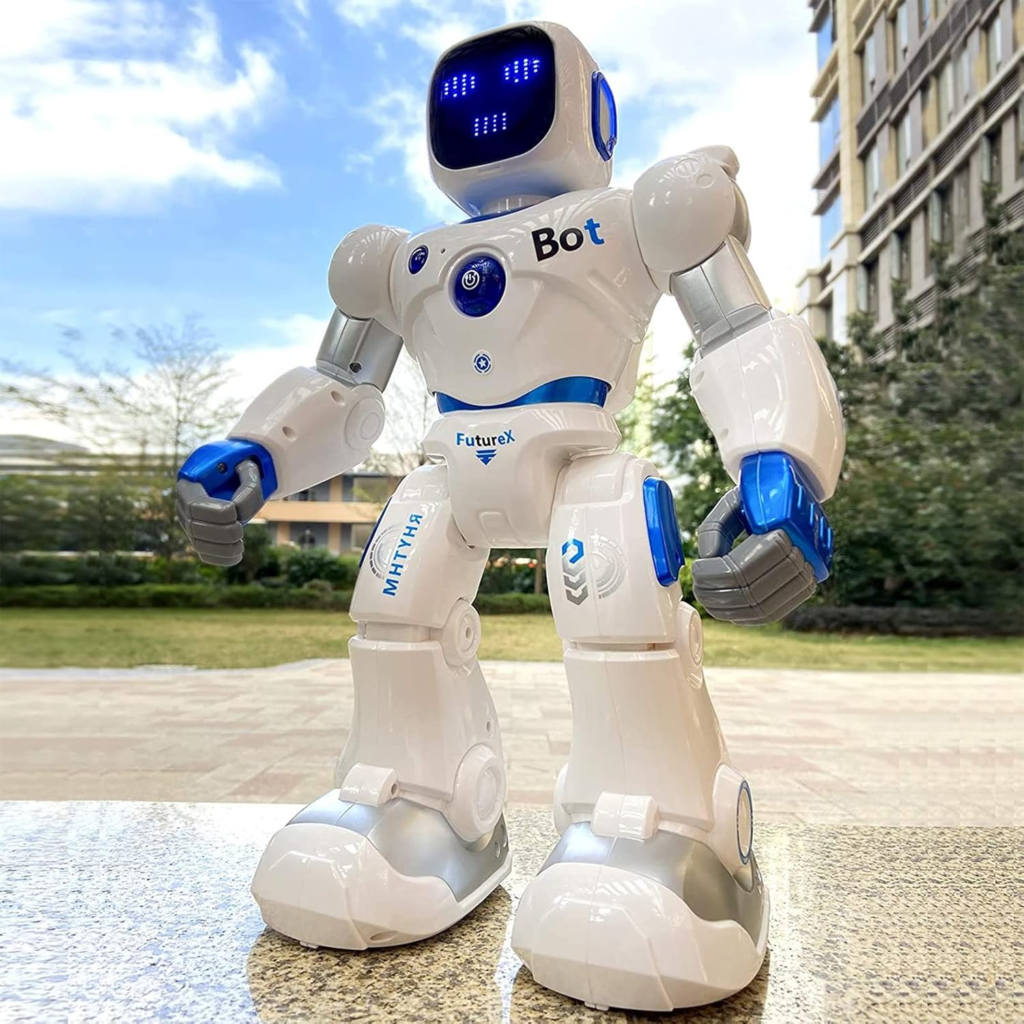
What it is: Full-scale rideable machines that mimic humanoid or vehicle-based robots. Some commercial models are designed for entertainment, exhibitions, or industrial demonstrations.
How it works: These machines combine hydraulic or electric actuators, onboard cockpits, and remote or direct controls. Mobility tends to be slow due to weight and balance constraints.
Price: High — often in the hundreds of thousands to millions depending on size and capability.
Best for: Corporations, museums, robotics enthusiasts with large budgets, or promotional uses.
Safety and limits: Large moving structures present crush and tipping hazards. Certified operators, routines for maintenance, and liability insurance are essential.
6. Hydro-propelled boots (water jet boots / jet blades)
What it is: Boots that use water jets for lift and maneuvering above the surface of a lake, river, or sea. They deliver a rocketeer-like glide for recreational use.
How it works: A pump on a support vessel or a backpack unit feeds pressurized water through hoses into nozzles on the boots. Thrust and direction are controlled by body movements and foot orientation.
Price: Typical retail for entry-level systems begins around several thousand dollars; professional kits and training increase total investment.
Best for: Water-sports enthusiasts, demo pilots, and rental operations at resorts or parks.
Safety and limits: Requires calm water, life jackets, supervision, and familiarity with the support craft. Falls at speed can cause injury; check local water laws and operator requirements.
7. Themed all-terrain vehicles (armored or bespoke golf carts)
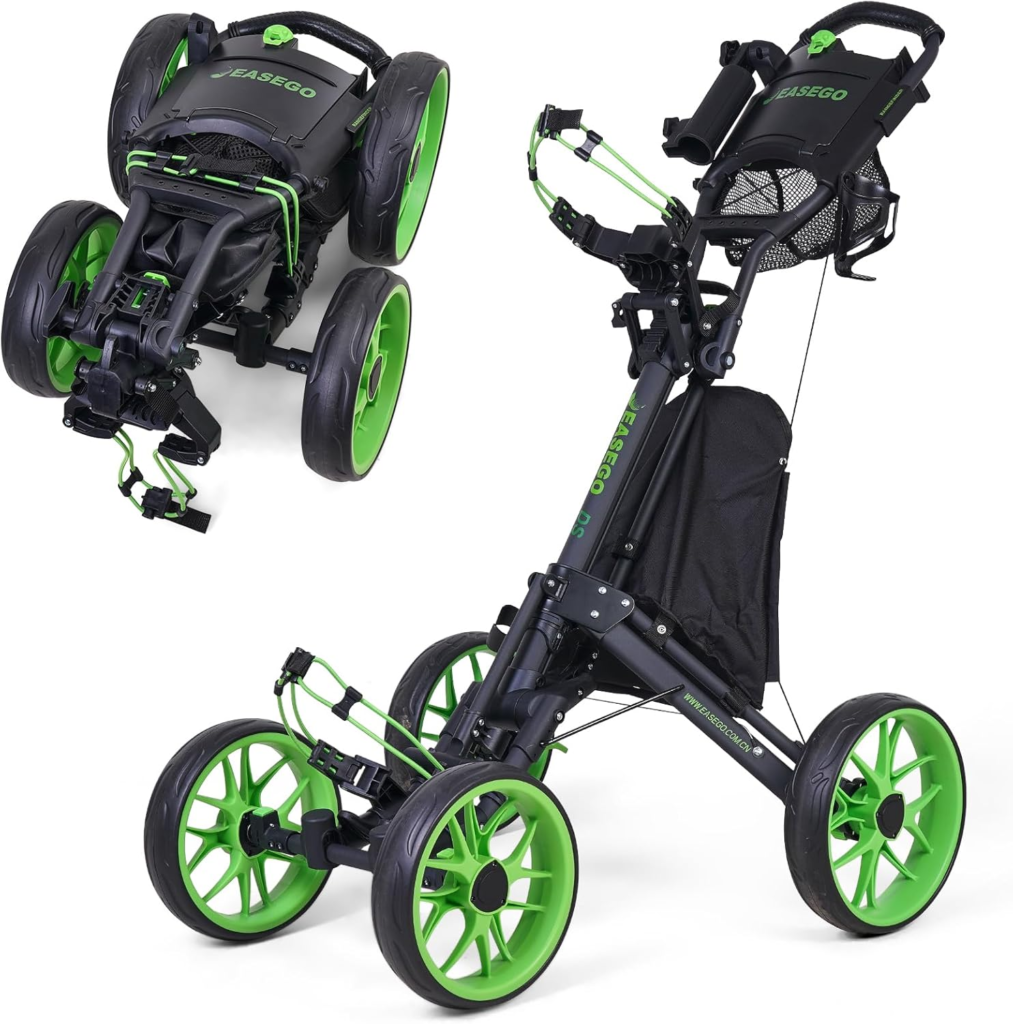
What it is: Custom or factory vehicles stylized to look like iconic superhero cars. Some vendors produce reinforced, weatherproof models for private courses, events, or collectors.
How it works: These are essentially modified golf carts or light utility vehicles with custom bodywork, suspension upgrades, and sometimes added accessories like sound systems or light packages.
Price: High-end custom builds can exceed tens of thousands of dollars; simpler themed conversions are less costly.
Best for: Collectors, themed communities, or clubs that allow modified vehicles on private property.
Safety and limits: Not road-legal without conversions. Confirm course rules and local vehicle regulations before use.
8. Advanced bionic arms (cosmetic and functional prosthetics)
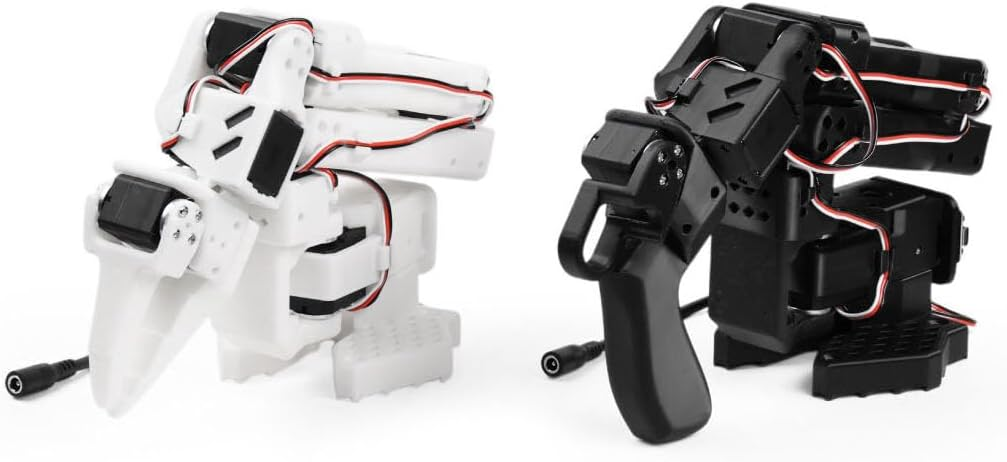
What it is: Lightweight, 3D-printed prosthetic arms that combine practical function with custom, character-inspired aesthetics.
How it works: Modern units use EMG sensors, microcontrollers, and battery-powered motors to translate muscle signals into grip and wrist movements. Designs can be customized with themed covers or decorative shells.
Price: Prices range from subsidized or low-cost charity programs to several thousand dollars for advanced, fully functional models. Funding support can be available through healthcare systems or charities.
Best for: People with upper-limb difference who want improved independence and a personalized look.
Safety and limits: Medical fitting and follow-up are important. Ensure components are certified for medical use where required, and verify warranty and service support.
Common questions buyers ask before purchasing
- Is the gadget actually functional or just cosmetic? Check technical specifications and verified user reviews. Many items blend prop-level effects with limited function.
- What training is required? Anything involving propulsion, water jets, flight, or large moving parts requires formal training and practice under supervision.
- Are there legal restrictions? Yes. Aviation authorities, maritime regulations, and local ordinances can restrict where and how you use these devices.
- How durable and serviceable is the device? Prioritize vendors with parts, maintenance plans, and clear warranty terms.
Buying checklist: What to confirm before you order
- Intended use: Entertainment, sport, assistive function, or demonstration?
- Certification and safety tests: Are there third-party safety reports or compliance documents?
- Training and operation manuals: Does the seller provide instruction, or require certified training?
- Maintenance, spare parts, and service: Availability and cost of consumables.
- Insurance and liability: Does your homeowner, vehicle, or activity insurance cover the device?
- Local laws: Confirm airspace, maritime, and vehicle regulations that apply.
Safety, legal, and ethical considerations
Safety first: Many “superhero” gadgets introduce new types of risk: high-speed falls, electrical fires, crush hazards, or medical complications. Always use personal protective equipment and follow manufacturer guidance.
Legal compliance: Flight systems must comply with aviation rules, water jet devices must follow maritime law, and prosthetics may require medical approvals. Consult regulators before operating in public spaces.
Ethics and privacy: Stealth or surveillance tech raises privacy concerns. Avoid using cloaking or recording-capable gear in ways that violate laws or ethical norms.
Where to look for reputable vendors
- Specialist manufacturers that publish technical specs and safety documentation.
- Certified medical device suppliers for prosthetics and assistive rigs.
- Authorized dealers or reseller networks for jetpacks, hydroflight gear, and rideable robots.
- Established maker communities and verified reviews for DIY kits and custom builds.
FAQ
Are any of these devices truly invisible or able to make a person disappear?
No. Commercial and military camouflage can reduce detectability under specific conditions and wavelengths, but there is no consumer material that grants perfect invisibility across all viewing angles and lighting. Expect limited, context-dependent visual or thermal masking.
Can a wearable web shooter support a person’s weight for climbing?
No. Consumer wrist-mounted shooters are prop devices intended for performance and cosplay. They are not engineered or certified for load-bearing climbing. Use certified climbing gear and anchors for any load-bearing activity.
Do bionic arms with character designs function like medical prostheses?
Many modern cosmetic or themed prosthetic shells are compatible with fully functional prosthetic systems. Functional bionic arms that restore grip and wrist movement are medical devices and should be fitted and supported by qualified clinicians.
Is it legal to fly an electric wingsuit or a jetpack in my area?
Regulations vary widely. Many countries treat powered-personal flight as an aviation activity requiring licensing, airspace permissions, and restrictions on altitude and proximity to populated areas. Check with local aviation authorities before operating.
Where can I get training for hydroflight boots or portable propulsion systems?
Look for certified training programs provided by the manufacturer, accredited flight schools for personal flight systems, or professional hydroflight operators for water jet boots. Manufacturers often list approved trainers.
Quick summary
Today’s market includes gadgets that emulate superhero ideas in safe, regulated ways: theatrical web shooters, assistive prosthetic arms with themed shells, advanced camouflage materials, limited-duration electric wingsuits, rideable robots for demonstrations, hydroflight boots for water stunts, and custom-themed vehicles. None provide true supernatural powers, but many offer meaningful functional, recreational, or therapeutic value. Before buying, verify certification, training requirements, and legal rules for the device and its intended use.