“In the last year alone, the average household has thrown away nearly 70 pounds of clothing—most of it fixable with a simple hem or a replaced button. Now, imagine keeping that money in your pocket. With the intelligent, user-friendly sewing machines of 2026, the era of ‘fast fashion trash’ is ending. Today’s machines are designed to pay for themselves in just a few repair sessions, turning textile waste into high-end keepsakes.”
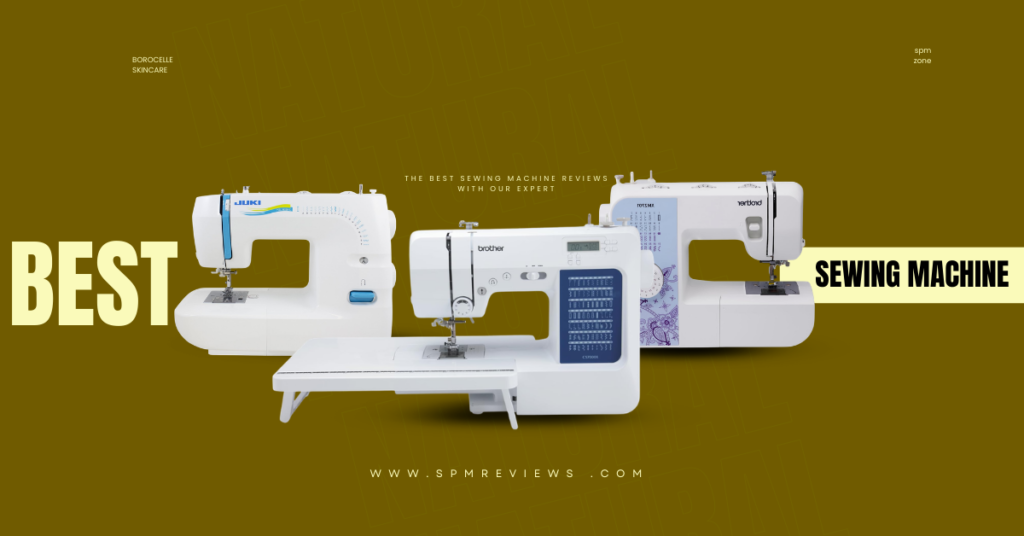
OUR TOP PICKS – Best Sewing Machines

Best Overall / Best for Beginners
Brother XM2701

Best Heavy-Duty
SINGER Heavy Duty 4452

Best Computerized
Brother CS7000X

Best for Durability
JUKI HZL-353ZR

Best Portable / Best for Light Sewing
AXE YAMAZAKI MM-10

Best Sewing Machine of 2026
After reviewing the top contenders, one machine stands out as the complete package for the vast majority of users in 2026. The Brother XM2701 consistently earns the top spot from experts and buyers alike, not because it is the most feature-packed, but because it perfectly executes the fundamentals .

SINGER Heavy Duty 4452
Pros
- ✔ Powerful motor sews through denim and canvas easily
- ✔ Full metal frame for durability and stability
- ✔ High sewing speed (1,100 stitches/min)
Cons
- ✘ Can be noisy during operation
- ✘ Can struggle with very lightweight or delicate fabrics
Specs & Configurations
Weight: 14.6 lbs
Frame: Full Metal
Features: Automatic 1-step buttonhole, adjustable stitch length/width, heavy-duty metal interior.
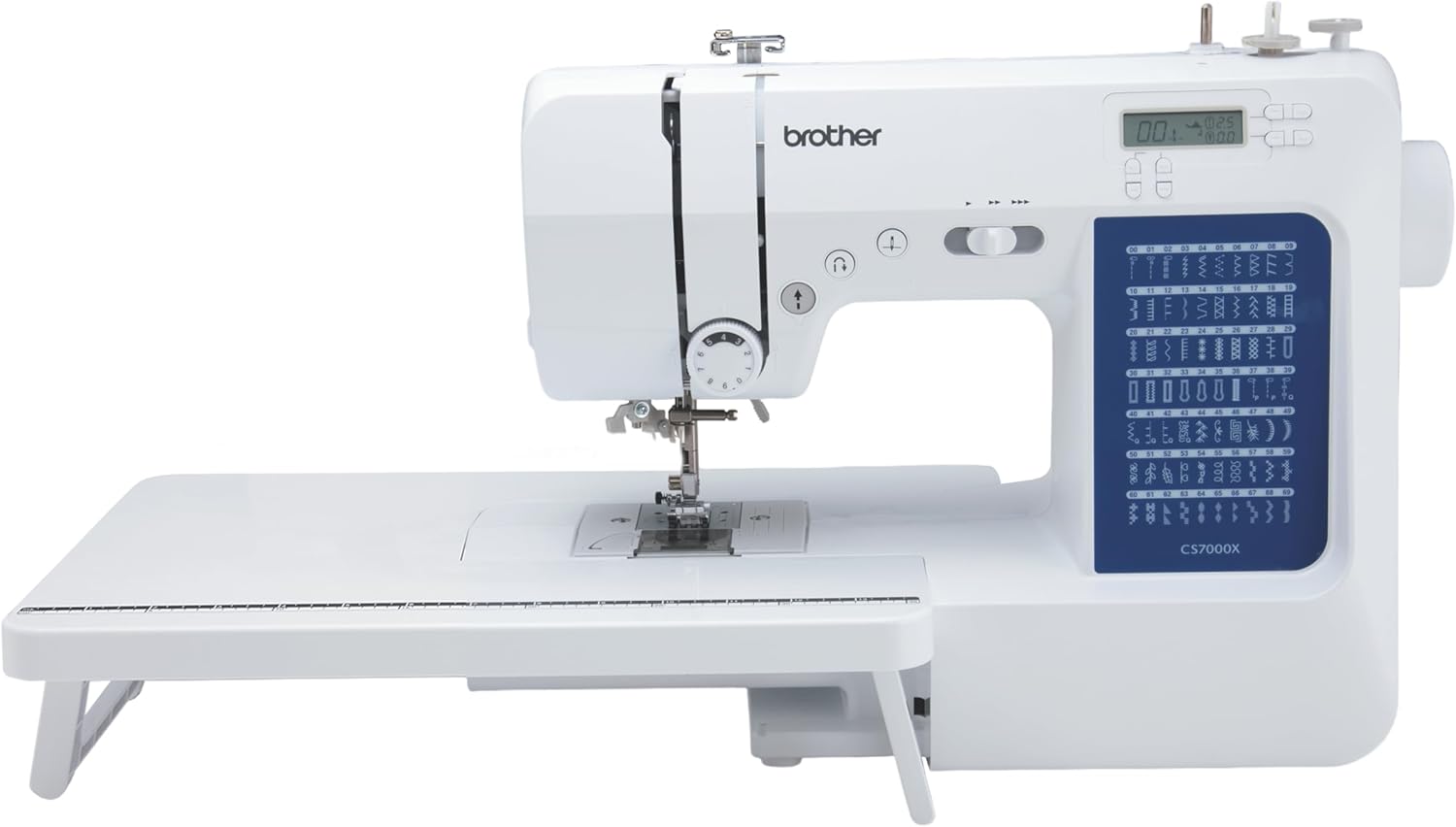
Brother CS7000X
Pros
- ✔ 70 built-in stitches, including many decorative options
- ✔ LCD screen for easy stitch selection
- ✔ Comes with 10 presser feet and a wide extension table
Cons
- ✘ Slight learning curve for computerized features
- ✘ Some users report occasional bobbin tension issues
Specs & Configurations
Weight: 14 lbs
Included Feet: 10
Features: LCD display, advanced needle threading, start/stop button, variable speed control.

JUKI HZL-353ZR
Pros
- ✔ Rock-solid metal frame for professional durability
- ✔ Automatic needle threader and drop feed mechanism
- ✔ Known for exceptionally smooth and quiet operation
Cons
- ✘ Higher price point
- ✘ Fewer stitch options (21) compared to computerized models
Specs & Configurations
Weight: 8 kg (17.6 lbs)
Frame: Full Metal
Features: Automatic loop, presser foot pressure adjustment, hard case included.

AXE YAMAZAKI MM-10
Pros
- ✔ Ultra-lightweight at only 4.6 lbs – truly portable
- ✔ QR code links to video tutorials for easy learning
- ✔ 12 stitch patterns from 5 stitch types
- ✔ Dual speed control and both foot pedal/hand switch
Cons
- ✘ Light-duty construction – not for heavy fabrics
- ✘ ABS plastic build may feel less durable than metal
Specs & Configurations
Weight: 4.6 lbs
Dimensions: 4.5″D x 11.5″W x 10.4″H
Included Accessories: Foot pedal, spool pin cap, 1 needle, 2 bobbins, buttonhole foot, driver, AC adaptor, manual
Features: QR code video tutorials, 2-speed control, hand switch or foot pedal operation
🧵 Sewing Machine Comparison Table
| Product | Stitches | Best For | Price | Pros | Cons |
|---|---|---|---|---|---|
|
Brother XM2701 Best Overall / Beginner View Product | 27 built‑in | Everyday repairs, crafts | ~$130 |
✔ Easy setup & auto needle threader ✔ 6 presser feet included ✔ Jam‑resistant drop‑in bobbin |
✘ Struggles with thick denim ✘ Basic stitch selection |
|
SINGER Heavy Duty 4452 Best Heavy‑Duty View Product | 110 stitch applications | Denim, canvas, upholstery | ~$200 |
✔ Powerful motor sews thick layers ✔ Full metal frame ✔ 1,100 stitches/min |
✘ Noisy operation ✘ Not ideal for delicate fabrics |
|
Brother CS7000X Best Computerized View Product | 70 | Quilting, decorative stitches | ~$230 |
✔ LCD screen & computerized precision ✔ 10 presser feet + wide table ✔ Great for quilting |
✘ Slight learning curve ✘ Occasional tension reports |
|
JUKI HZL-353ZR Best Durability View Product | 21 | Long‑lasting, quiet stitching | ~$359 |
✔ Full metal frame – rock solid ✔ Exceptionally smooth & quiet ✔ Professional build |
✘ Higher price ✘ Fewer stitch options |
|
AXE YAMAZAKI MM-10 Best Portable / Light View Product | 12 patterns | Beginners, light sewing, travel | ~$199 |
✔ Ultra‑lightweight (4.6 lbs) ✔ QR video tutorials ✔ 2‑speed control + hand switch |
✘ Light‑duty only ✘ ABS plastic build |
🔍 Prices are approximate and subject to change. Links lead to product pages.
How We Tested
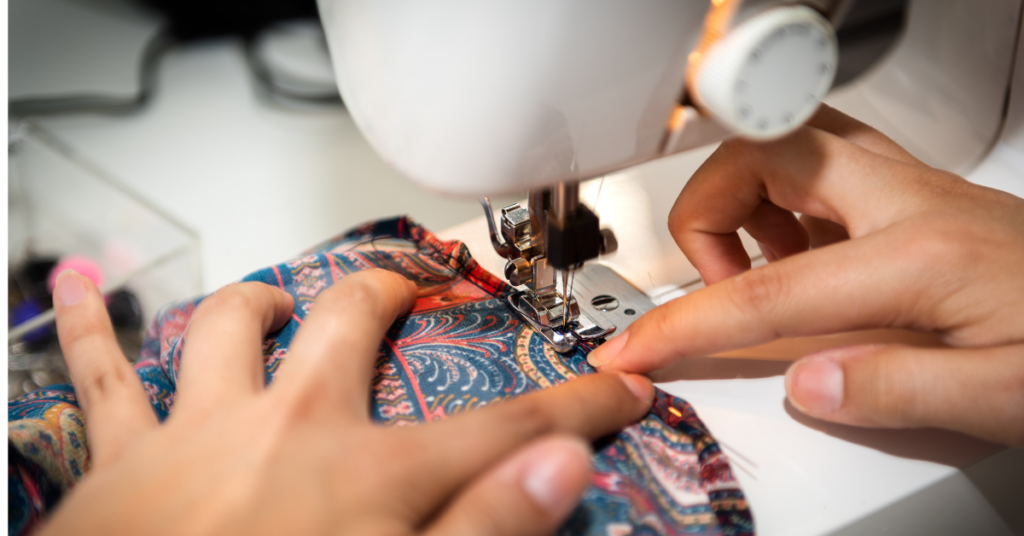
Our recommendations are not based on a single shopping trip. We synthesized data from extensive, hands-on testing conducted by sewing experts. For instance, teams like those at Rosenberry Rooms have spent over 120 hours testing 27 different machines on a variety of fabrics including cotton, denim, silk, and canvas .
Our evaluation focused on four key performance areas:
- Ease of Use: We considered how intuitive the machine was to set up, thread, and operate. Features like automatic needle threaders and clear diagrams were heavily weighted, especially for beginner models .
- Fabric Handling: We looked at how each machine performed on different fabric weights. Can it handle delicate silk without snagging? Can it power through eight layers of denim without skipping stitches? This is where the SINGER Heavy Duty and the JUKI excelled .
- Stitch Quality: We examined the consistency and evenness of stitches across various fabric types and speeds. The machines were tested for straight stitches, zigzags, and specialized stitches like buttonholes .
- Durability & Features: We evaluated the build quality (plastic vs. metal frames) and the usefulness of included accessories. A machine with a metal frame and a comprehensive set of presser feet offers better long-term value .
What to Look For in a Sewing Machine
Choosing a sewing machine in 2026 is about matching the tool to your specific goals. Here are the critical factors to consider before you buy:
- Skill Level & Project Type: Be honest with yourself. If you are a beginner planning to mend clothes and make simple crafts, a mechanical machine with 15-30 stitches (like the Brother XM2701) is perfect . If you plan to sew heavy curtains or jeans, you need a heavy-duty machine with a powerful motor and metal frame (like the SINGER 4452) .
- Key Features vs. Frills: Focus on features that improve your sewing life. An automatic needle threader is a godsend. A drop-in bobbin is much easier to manage than a front-loading one. For quilting, look for a large workspace or an included extension table .
- Build Quality: Look for machines with a metal frame. They are heavier but will resist vibration and last significantly longer than plastic-framed machines, especially if you sew frequently .
- Budget: Determine your budget, but also consider the included accessories. A machine that comes with multiple presser feet (zipper foot, buttonhole foot, etc.) provides immediate value, saving you from buying them separately later .
FAQ: Your Sewing Machine Questions Answered
Q: What is the best sewing machine for a beginner in 2026?
A: The Brother XM2701 remains the gold standard for beginners. Its combination of affordability, ease of use, and helpful features like the automatic needle threader and jam-resistant drop-in bobbin makes it virtually foolproof. The instructional DVD and clear diagrams printed on the machine mean you’ll be sewing confidently within hours, not days.
Q: What’s the difference between a mechanical and a computerized sewing machine?
A: Mechanical machines (like the SINGER Heavy Duty 4452 or Brother XM2701) use physical dials and knobs to adjust stitches. They are generally more durable, easier to repair, and less expensive. Computerized machines (like the Brother CS7000X) use a circuit board and often an LCD screen to control stitches. They offer many more stitch options, precise buttonholes, and features like start/stop buttons without using the foot pedal. For most home sewers, a quality mechanical machine is more than sufficient, but crafters and quilters often prefer the versatility of computerized models.
Q: How much should I spend on my first sewing machine?
A: For a quality first machine that won’t frustrate you, budget between $130 and $250. In this range, you’ll find reliable machines from trusted brands like Brother and SINGER that include essential features and sturdy construction. Machines under $100 often cut corners on durability and can lead to a poor learning experience.
Q: Can I sew denim or thick fabrics on a standard home sewing machine?
A: It depends on the machine. Standard machines like the Brother XM2701 can handle light denim occasionally but may struggle with multiple layers. If you plan to sew jeans, canvas, or upholstery regularly, you need a heavy-duty machine like the SINGER Heavy Duty 4452, which features a stronger motor and metal interior frame to power through thick materials without skipping stitches.
Q: How long should a sewing machine last?
A: With proper care and maintenance, a quality sewing machine should last 10 to 25 years or even longer. Machines with metal frames and gears (like the JUKI HZL-353ZR) tend to outlast those with plastic internal components. Regular cleaning, annual servicing, and proper storage are key to longevity.
Final Thoughts
In 2026, sewing is more than a hobby—it’s an act of creativity, sustainability, and self-sufficiency. Every time you mend a torn seam, hem a pair of pants, or create a garment from scratch, you’re pushing back against disposable culture and making something uniquely yours.
The machine you choose is the bridge between imagination and reality. It’s the tool that turns fabric into fashion, scraps into quilts, and ideas into heirlooms.
So take the leap. Whether you’re stitching your first pillowcase or your fiftieth quilt, the perfect machine is waiting to bring your vision to life. And if you start with the Brother XM2701, you’re not just buying a sewing machine—you’re investing in a creative companion that will serve you faithfully for years to come.
Ready to start sewing? Click any link above to check current prices on Amazon and join the millions who have discovered the joy of creating with their own hands.
Happy stitching!