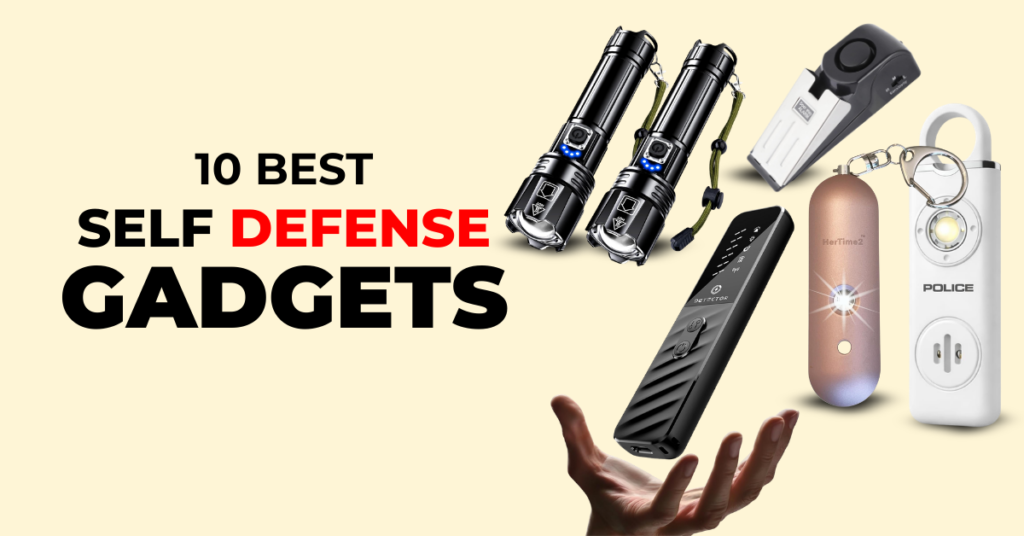
In 2026, safety gadgets are more accessible than ever, with compact, non-lethal tools that can improve your personal security without using deadly force. These devices range from personal alarms to advanced motion detectors, all designed for quick deployment in emergencies. But, with so many options, it’s essential to choose the right gadgets that not only suit your needs but are also legally safe to carry.
Why Choose Non-Lethal Self-Defense Gadgets?
Non-lethal self-defense gadgets are designed to help you protect yourself and create opportunities to escape from dangerous situations. These devices offer a safer alternative to more violent forms of self-defense, providing peace of mind without the risk of severe injury or even legal trouble.
The advantage of non-lethal gadgets is that they can be used by anyone without the need for extensive training. Many are designed for everyday carry and are perfect for travel, school, or your daily commute. However, it’s crucial to remember that while these gadgets are generally safe, you should always follow local laws regarding their possession and use.
10 Personal Self-Defense Gadgets Available on Amazon
1. KOSIN Safe Sound Personal Alarm (3‑Pack)
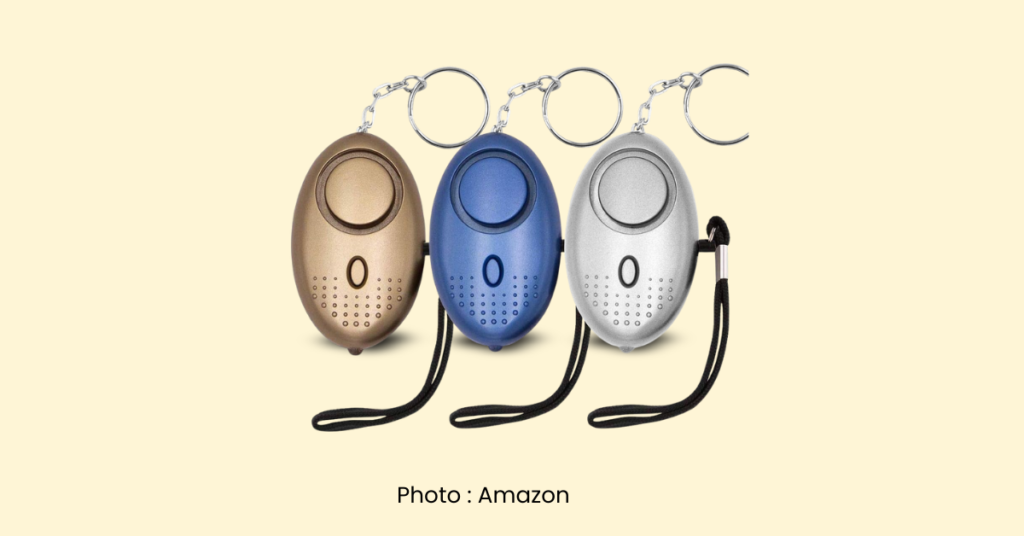
Available at Amazon
Price: ~$18.99 (for 3)
Pros:
Loud 145 dB siren is highly attention‑grabbing.
Good value with 3 alarms in one pack.
Cons:
Sirens only; no flashlight.
Separate batteries needed (may require replacements over time).
2. POLICE Personal Alarm Keychain
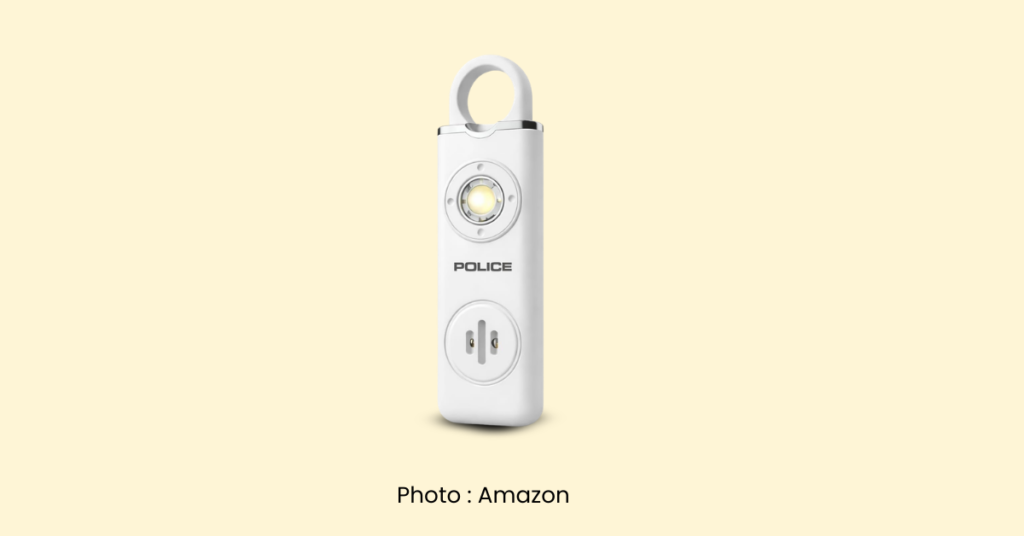
Available at Amazon
Price: ~$10–$15
Pros:
Lightweight and easy to attach to keys/bags.
Loud 130 dB alarm helps deter threats.
Cons:
No LED light included.
Alarm only; no additional safety features.
3. TECKNET Rechargeable Personal Safety Alarm Keychain
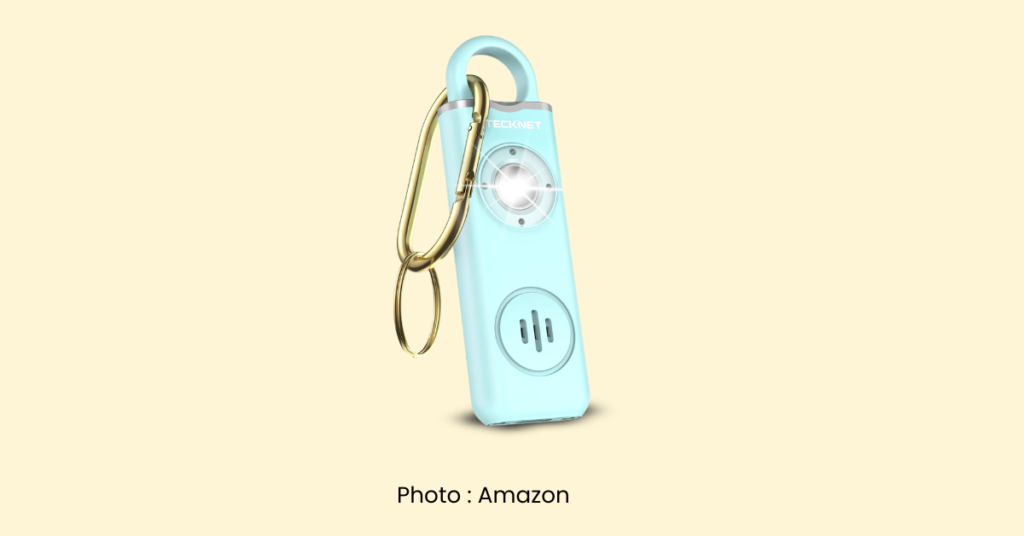
Available at Amazon
Price: ~$15–$18
Pros:
Rechargeable via USB — no separate batteries.
Built‑in strobe LED light for visibility adds safety.
Cons:
Slightly larger than basic personal alarms.
Alarm only — no physical defense.
4. Personal Safety Alarm Keychain with LED Light
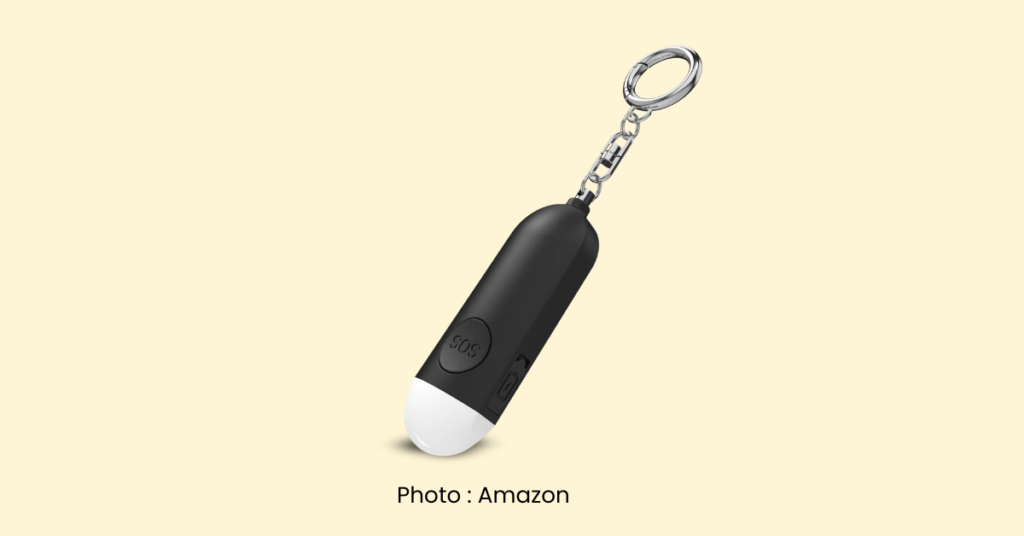
Available at Amazon
Price: ~$10–$18
Pros:
- Dual‑function siren + LED for night use.
- Easy pull‑pin activation designed for emergencies.
Cons: - LED brightness varies by model.
- Only noise + light — no physical protection.
5. HerTime2 Personal Safety Alarm (Keychain)
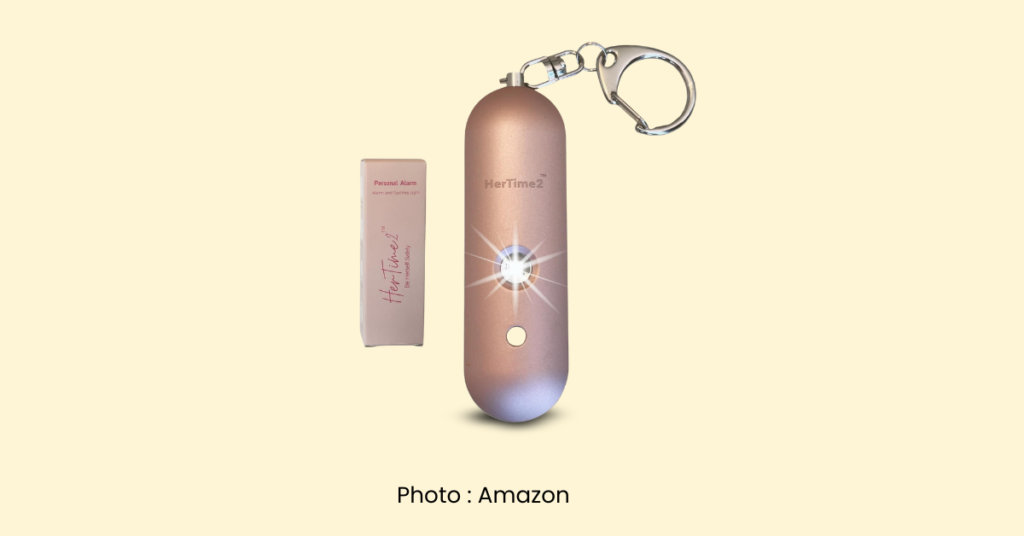
Available at Amazon
Price: ~$12–$17
Pros:
- Loud siren that disorients threats.
- Compact and portable.
Cons: - Sound only; no light.
- May trigger accidentally.
6. ANKOSHUN Door Stop Alarm (120 dB)
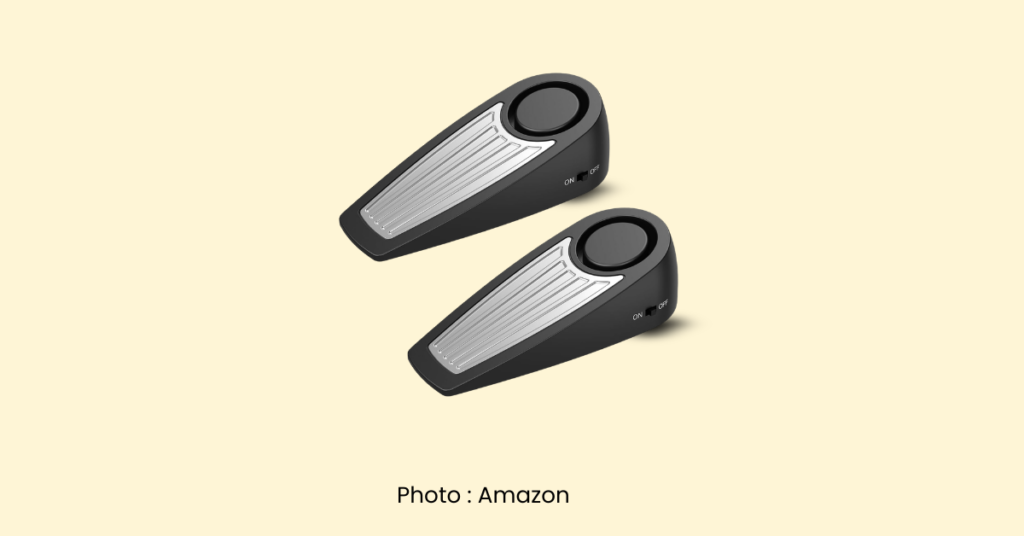
Available at Amazon
Price: ~$15–$25
Pros:
Loud 120 dB alarm when triggered by door movement.
Works as a door wedge plus alarm
Cons:
Requires battery (usually 9V).
Not wearable; only for room security.
7.Kershaw Clash Black Serrated Pocketknife
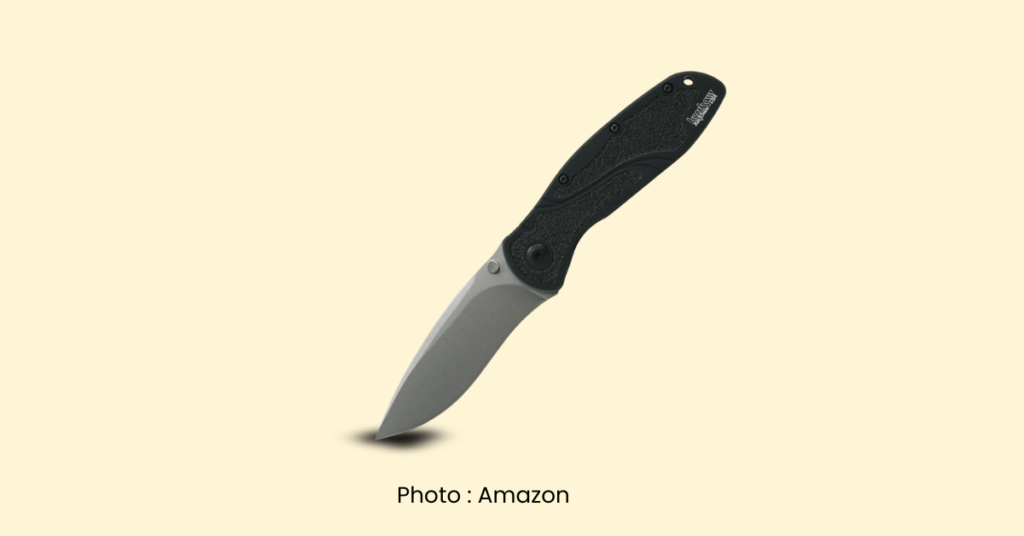
Available at Amazon
Price: ~$46.49
Pros:
- Assisted opening (SpeedSafe) for easy one-handed use.
- Durable 8Cr13MoV stainless steel blade with partial serrations for versatile cutting.
- Ergonomic glass-filled nylon handle for a secure grip.
- Reversible pocketclip for customizable carry.
Cons:
Shipping costs may be high for international customers.
Assisted opening may be restricted in some areas (check local laws).
Heavier than some minimalist EDC knives at 4.3 oz.
8. Portable 120 dB Door Stop Security Alarm
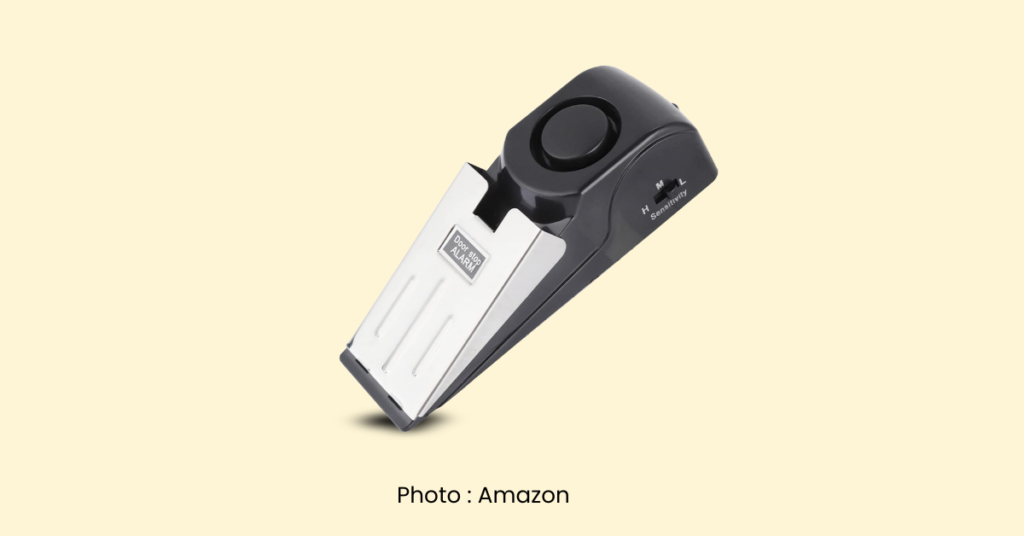
Available at Amazon: Yes
Price: ~$18–$28
Pros:
- Loud alert can deter intruders quickly.
- Easy setup — place under a door.
Cons: - Requires battery.
- Not wearable.
9. Hidden Camera Detector / RF Detector Tool
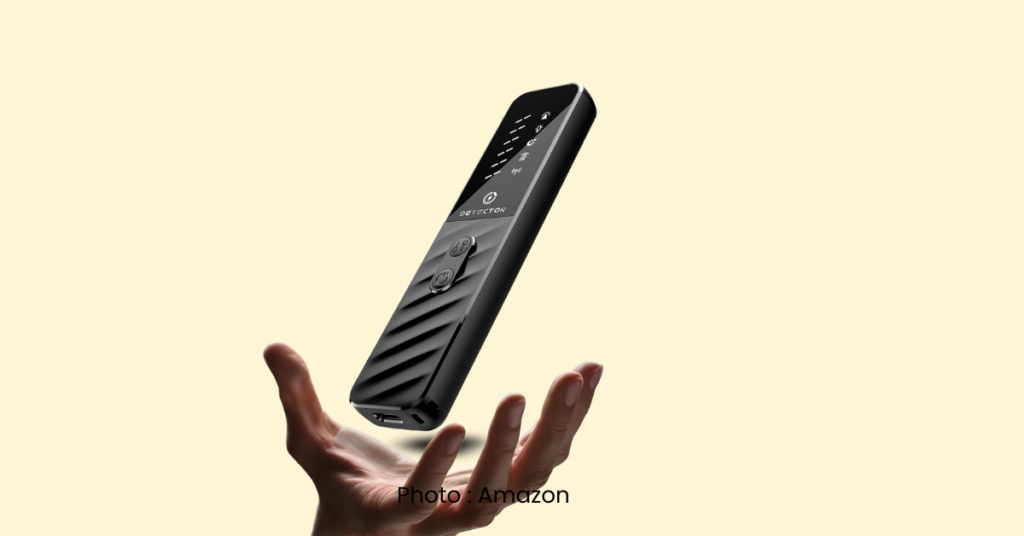
Available at Amazon
Price: ~$20–$40
Pros:
- Detects hidden cameras, RF devices, and trackers.
- Useful for travel and privacy protection.
Cons: - Requires learning to use effectively.
- Not an alarm or physical defense.
10. Rechargeable LED Safety Flashlight
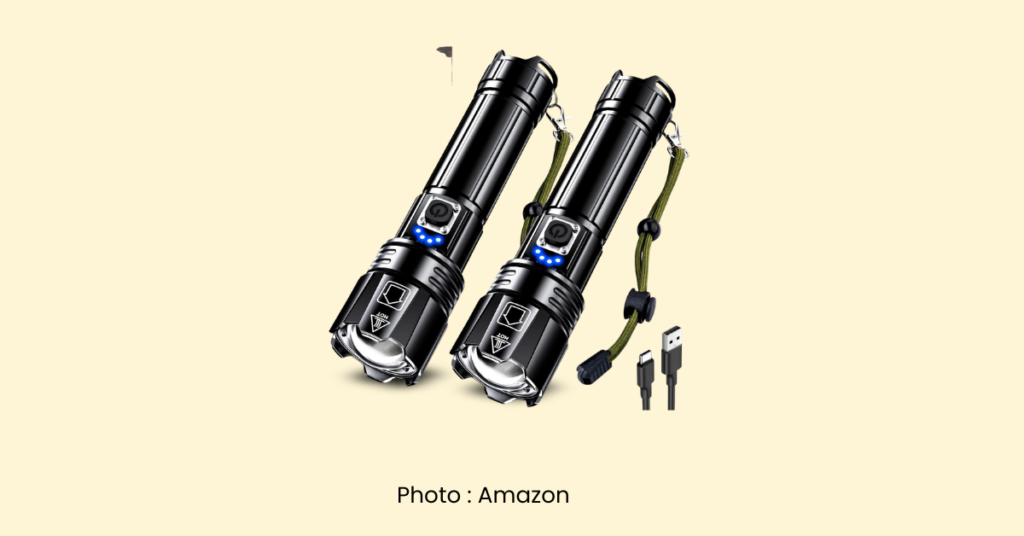
Available at Amazon
Price: ~$12–$28
Pros:
- Bright LED helps with night safety.
- Rechargeable — no disposable batteries.
Cons: - Light only; no alarm.
Comparison Table Of Self Defense Gadgets
🛡️ PERSONAL SAFETY GADGETS 2026
| 🔥 PRODUCT | ⚡ TYPE | 🎯 KEY FEATURE | 💰 PRICE | ✅ PROS | ❌ CONS |
|---|---|---|---|---|---|
|
🔊 KOSIN Safe Sound
View Product → | Personal Alarm 3-pack | 145 dB siren | $18.99 |
✓ Loudest 145dB ✓ Great value 3-pack ✓ Ultra lightweight |
✗ No LED light ✗ Batteries needed |
|
🔑 POLICE Alarm
View Product → | Keychain Alarm | 130 dB alarm | $10-15 |
✓ Ultra lightweight ✓ Easy attachment ✓ 130dB loud |
✗ No LED light ✗ Sound only |
|
⚡ TECKNET
View Product → | Alarm + Strobe USB-C | USB rechargeable | $15-18 |
✓ USB rechargeable ✓ Built-in strobe ✓ No batteries |
✗ Slightly bulkier ✗ Alarm only |
|
🌸 HerTime2
View Product → | Keychain Alarm | Disorienting siren | $12-17 |
✓ Very loud ✓ Compact design ✓ Easy pull-pin |
✗ No light ✗ False triggers |
|
🚪 ANKOSHUN
View Product → | Door Wedge 120dB | Alarm + wedge | $15-25 |
✓ 120dB alarm ✓ Prevents entry ✓ Travel friendly |
✗ 9V battery ✗ Not wearable |
|
🔪 Kershaw Clash
View Product → | Serrated Knife SpeedSafe | Assisted opening | $46.49 |
✓ Assisted opening ✓ Serrated blade ✓ Pocket clip |
✗ Heavy (4.3 oz) ✗ Legal restrictions |
|
📹 Cam Detector
View Product → | RF Detector privacy | Finds hidden cams | $20-40 |
✓ Detects hidden cams ✓ Finds RF devices ✓ Perfect for travel |
✗ Learning curve ✗ No physical defense |
|
🔦 LED Light
View Product → | Flashlight USB-C | Bright LED | $12-28 |
✓ Very bright ✓ USB rechargeable ✓ Compact |
✗ Light only ✗ No alarm |
How to check whether a device is legal where you live
- Search local codes: Look up your state and municipal statutes for “electroshock devices,” “knives,” “brass knuckles,” and “non-lethal weapons.”
- Contact local law enforcement: Police departments can often clarify whether possession or use would be criminalized.
- Check airports and transit rules: TSA and public transit agencies have strict prohibitions on sharp objects and many electronic weapons.
- Review workplace and campus policies: Schools, employers, and private venues may ban certain items regardless of legality.
- If in doubt, consult an attorney: For complex questions (carry across state lines, use after an incident), seek professional legal advice.
Safe carrying, training, and responsible use
- Training matters: Practice deployment and aiming in safe conditions. Consider self-defense classes that include legal and de-escalation instruction.
- Store devices safely: Keep devices out of reach of children. For OC sprays and devices with batteries, check expiration and charge regularly.
- Know use-of-force rules: Defensive use of any device can still lead to arrest or civil suits if force is excessive or unjustified.
- After an incident: Retreat to safety, call emergency services, document the scene and injuries, and seek legal counsel if necessary.
Common misconceptions and mistakes
- “Legally sold equals legal to carry everywhere”: Retail availability does not override local bans or building rules.
- “Non-lethal means harmless”: Pepper sprays and electroshock devices can cause serious harm, medical complications, or trigger underlying conditions.
- “Small size makes something safe”: Concealed blades or tiny firearms can still be classified as weapons and may carry harsher penalties.
- “One gadget is enough”: Layering prevention (awareness, alarm, non-lethal device, escape plan) is more effective than relying on a single tool.
Quick buying checklist
- Read the product manual and safety warnings.
- Confirm the item’s legal status in your city or state.
- Buy from reputable sellers and check certifications where applicable (ballistic panels, CE markings).
- Check battery life, expiry dates, and maintenance needs.
- Practice safe deployment in a controlled environment.
FAQ
1. Is it legal for me to carry a pepper spray or a stun gun?
A: It depends entirely on your location. Laws vary significantly by country, state, and even city. Some jurisdictions prohibit certain devices outright, while others may have restrictions on size, strength (OC percentage), or require permits. Crucially, as mentioned in your post, “legally sold” in one place does not mean “legal to carry” in another. You are responsible for checking your local and state laws before purchasing or carrying any self-defense device.
2. What’s the difference between a stun gun and a Taser?
A: This is a common point of confusion.
Stun Gun: Requires direct contact with the attacker and delivers pain through localized shock. It is generally considered a pain-compliance tool.
Taser (Conducted Electrical Weapon): fires two probes that attach to the subject or their clothing from a distance. It uses a specialized waveform to temporarily override the body’s neuromuscular control, causing incapacitation. Tasers are generally more regulated than stun guns.
3. Will pepper spray work on everyone, even if they are intoxicated or aggressive?
A: Pepper spray (OC spray) is highly effective for most people, but no tool is 100% guaranteed. Factors that can reduce its effectiveness include: the user missing the eyes, wind blowing it back, the attacker having a very high pain tolerance (sometimes due to drugs or alcohol), or the user having an outdated or weak spray. This is why your post correctly emphasizes that a tool is just one layer of a broader safety plan.
4. What happens if I accidentally spray myself with pepper spray?
A: It is painful and unpleasant. You will experience immediate burning of the eyes and skin, and possible coughing and difficulty breathing. The best course of action is to do not rub it, as this spreads the oils. Flush the affected areas with cold water and a gentle, oil-cutting soap (like Dawn dish soap) for at least 15-20 minutes. Use a fan and do not put contacts back in. This is a key reason to practice with an inert (water-based) training spray.
Summary: choosing the right option for you
Pick a tool that matches your daily routine and risk environment. For most city dwellers, a combination of a personal alarm plus a legal irritant or compact stun option provides deterrence without major legal complexity. Outdoor enthusiasts benefit from durable multipurpose tools and a ballistic bag if travel corridors are risky. Always verify local laws, practice responsible use, and make a personal safety plan that emphasizes escape and summoning help over confrontation.
Final reminder: Laws change frequently. Before purchasing or carrying any self-defense gadget in 2025, confirm current local rules and understand the legal consequences of use.